Jānis Bikše, University of Latvia
Spring Voluntary Monitoring
About
Springs are natural groundwater outflows reflecting watershed conditions regarding pollution and groundwater resources. Since 2004, springs have been part of Latvia's national groundwater monitoring, supporting the EU Water Framework and Groundwater Directives. Springs are often used for drinking water due to their taste and have historical and tourism value, and support groundwater-dependent ecosystems i.e. wetlands.
A major challenge in groundwater management is the lack of monitoring sites, especially in cross-border areas. Springs offer lower sampling and maintenance costs, representing larger catchments and making them ideal for monitoring networks. However, representative springs must be mapped and selected based on in-depth studies.
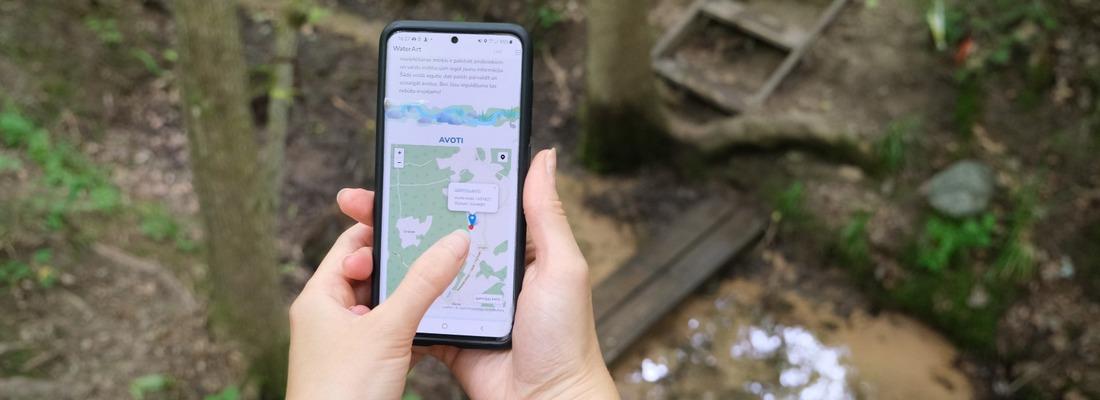
In Latvia and Estonia, researchers initiated voluntary spring monitoring to map new springs and identify representative ones for expansion of cross-border groundwater monitoring network. A web-based application (avoti.info and allikad.info) was launched in 2021 to collect information of known and new springs, offering guidelines for voluntary participation.
Mapping new springs and conducting seasonal monitoring contribute to future groundwater studies and national assessments required for implementing EU water directives and international agreements like Water Convention. An informed society can drive more groundwater-related actions at local, national, and international levels, resulting in new research, improved monitoring, and more sustainable water policies.
Recognised as a European good practice within Interreg Europe RIWET project: https://www.interregeurope.eu/good-practices/spring-monitoring-by-citizens-to-improve-groundwater-resources-management
Aim
The purpose of mapping the spring locations and assessing water quality is to help scientists and national authorities institutions to collect new information. The data obtained this way helps to manage and protect springs, local groundwater resources and dependent ecosystems.
How to participate
People can get involved in the project by joining as volunteer spring monitors. Volunteers use the web-based platform to find, describe, observe, and measure springs, including uploading photos and other information about each spring. Participants can add new springs or update existing data, following the guidance in the provided manual, and submit their observations through the online application. Submitted data are then validated and can be confirmed by other users or administrators before becoming part of the shared dataset, helping build a reliable, community-generated resource for water managers and scientists.
Instructions in ENG available here: https://avoti.info/instructions
Instruction in LV here: https://avoti.info/instructions
Instructions in EE here: https://allikad.info/instructions
Impact and insights
Over 380 users have joined the application, contributing to a database of over 3700 springs, including approximately 1500 previously unknown springs. They have made more than 3,200 new observations and added nearly 10,000 images. This valuable data source has been recognized by national water authorities, sceintists and is being used to enhance the transboundary groundwater monitoring network between Estonia and Latvia.Organisations
- Coordinator: University of Latvia
Project data
No published data has been added to this project yet.